

The CRHS provides care using the Beacon Clinic Model.
A beacon clinic is a specialized primary care clinic that provides expert, short-term, transitional healthcare for refugees while helping them connect with permanent primary care providers in the community. Rather than replacing community family practices, it acts as a hub that supports both patients and healthcare providers.
Beacon Clinics Provide:
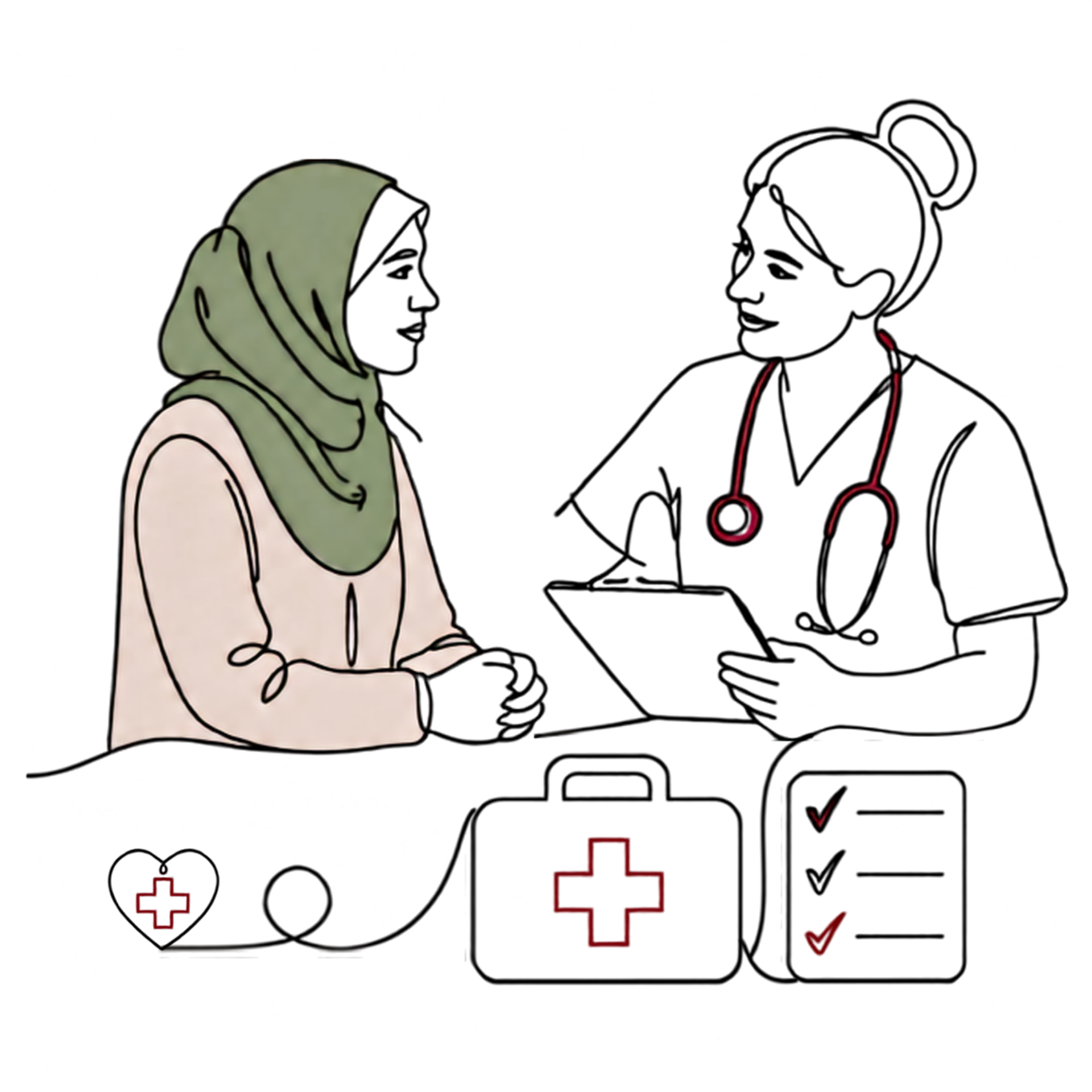
Initial Comprehensive Care
Providing health assessments and addressing urgent and priority healthcare needs soon after refugees arrive.
Quality Improvement & Research
Contributing to improving refugee healthcare through evaluation, research, and collaboration with community organizations.

Language & Cultural Support
Offering interpreter services and multilingual educational materials to reduce communication barriers.
Initial Comprehensive Care
Providing health assessments and addressing urgent and priority healthcare needs soon after refugees arrive.
Beacon Clinics Provide:
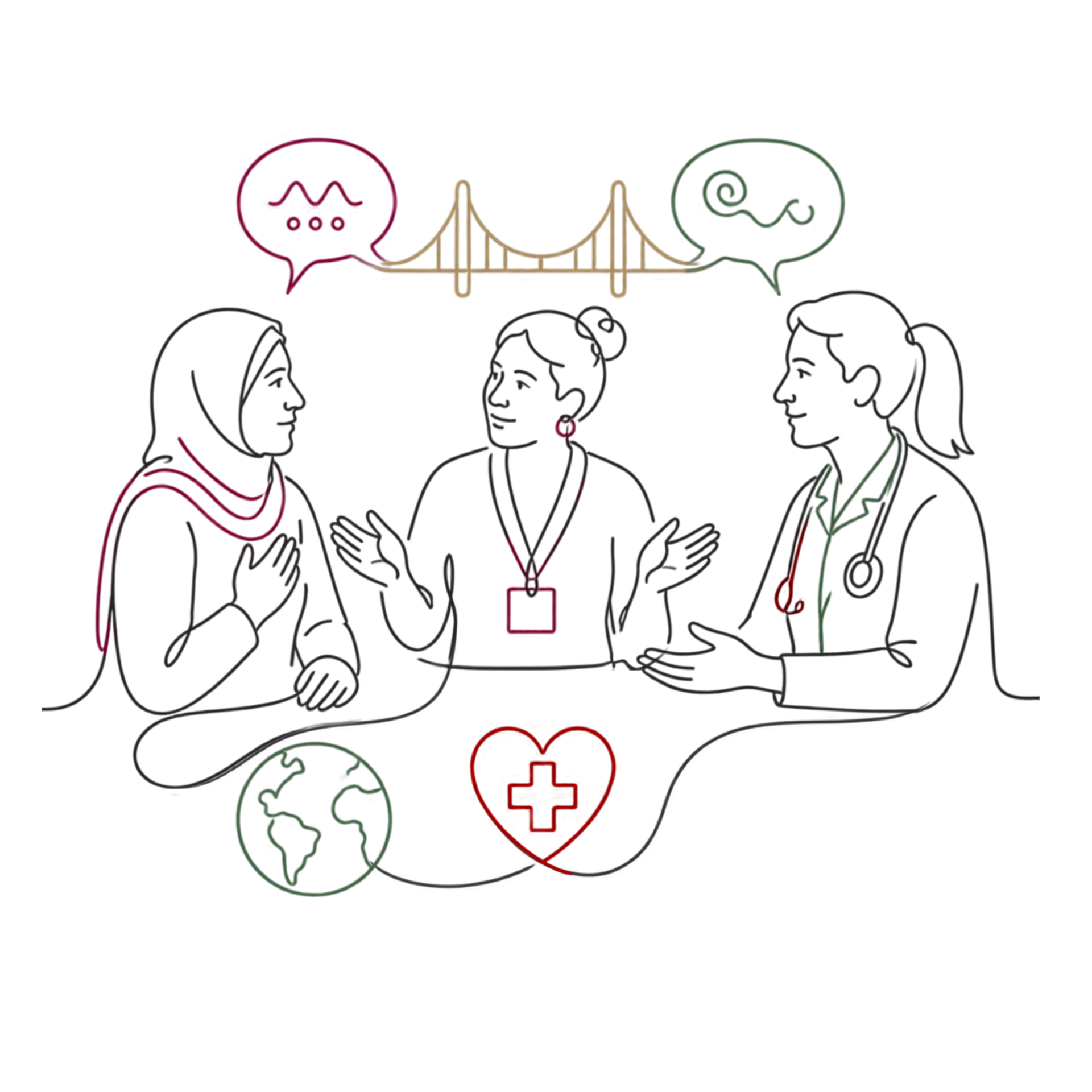
Language & Cultural Support
Offering interpreter services and multilingual educational materials to reduce communication barriers.
Quality Improvement & Research
Contributing to improving refugee healthcare through evaluation, research, and collaboration with community organizations.
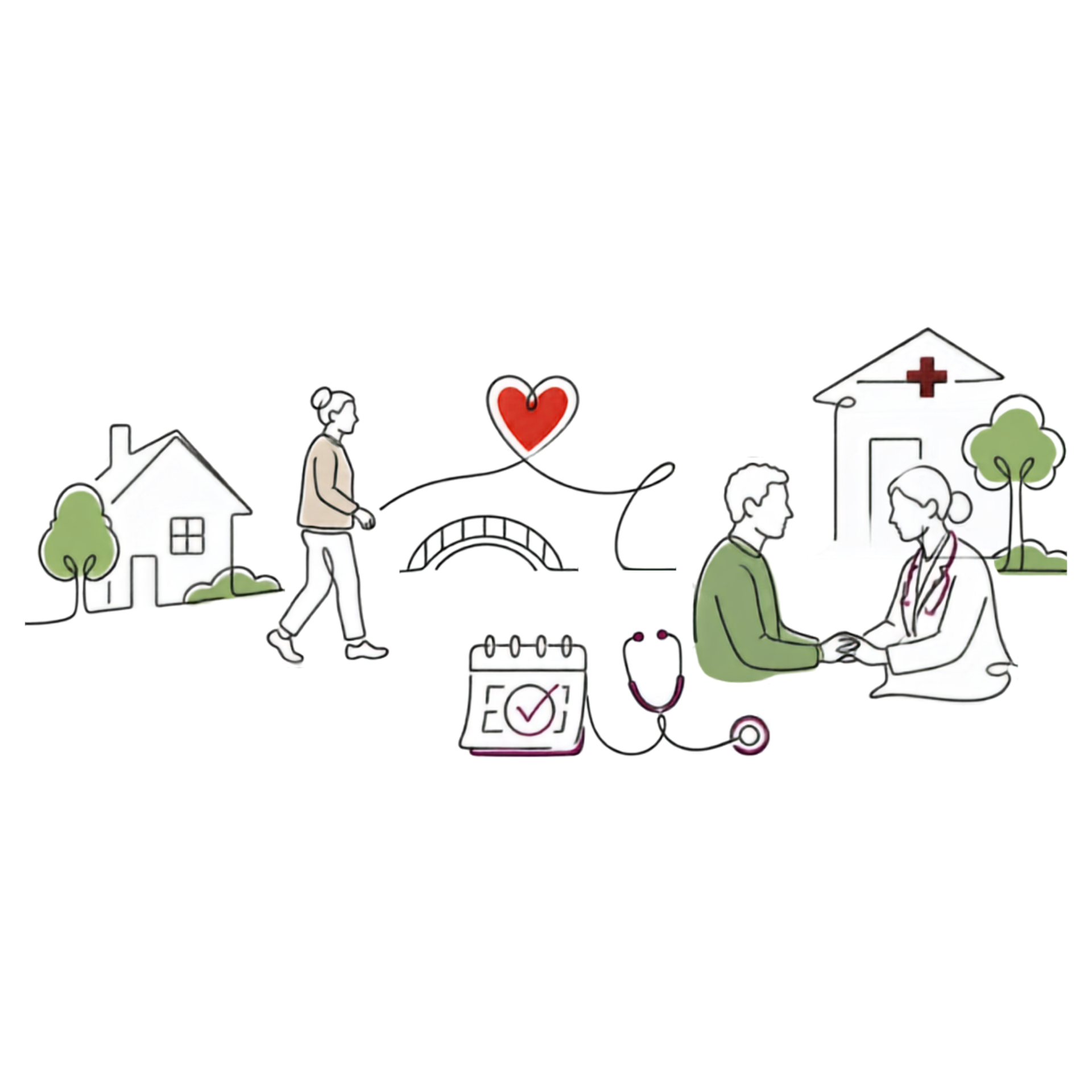
Transition to Long-Term Care
Preparing and connecting patients with community-based primary care providers once their immediate health needs have been addressed.
Specialized Expertise
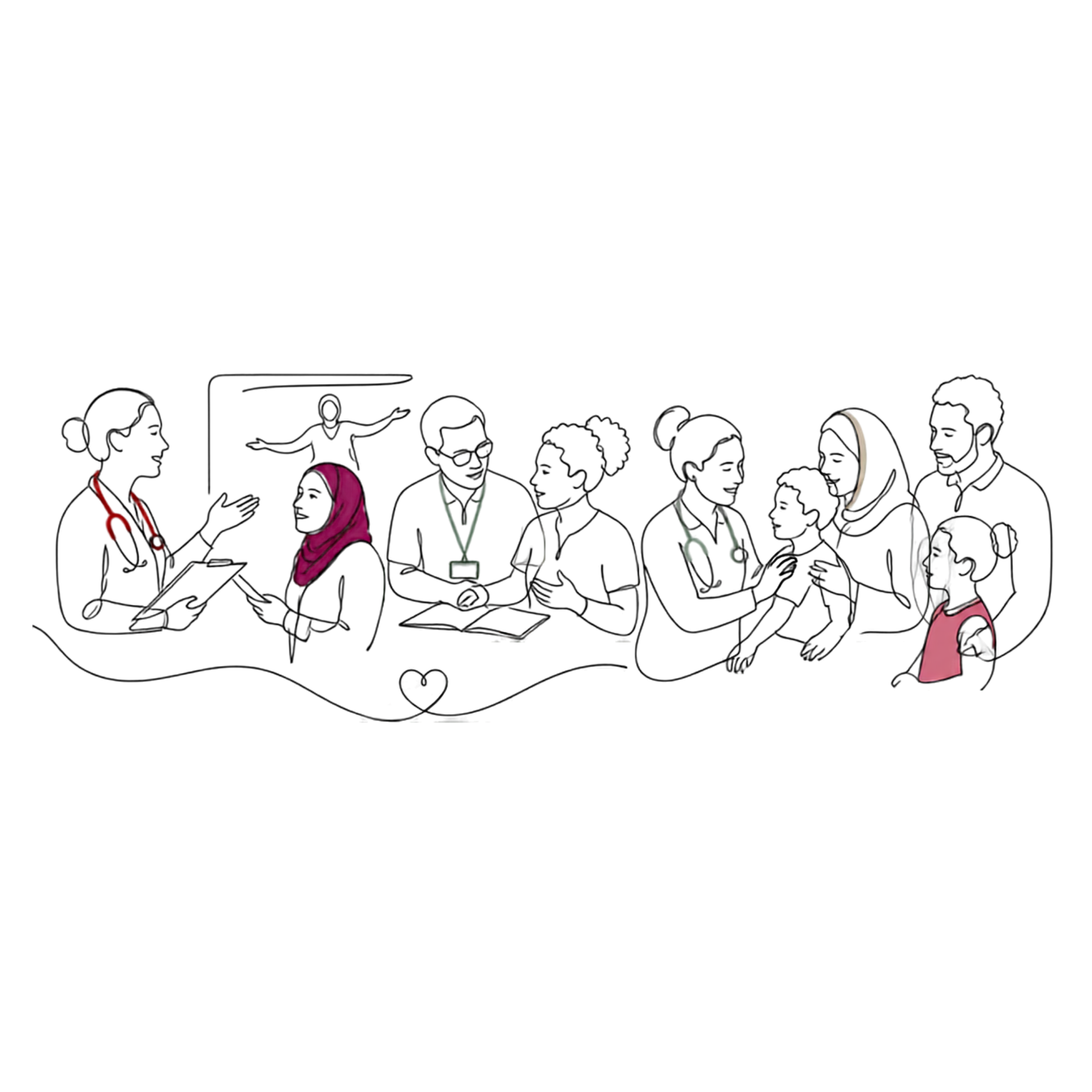
Staff have experience managing common refugee health issues, such as infectious disease screening, immunizations, chronic disease management, mental health concerns, and culturally appropriate care.
System Navigation
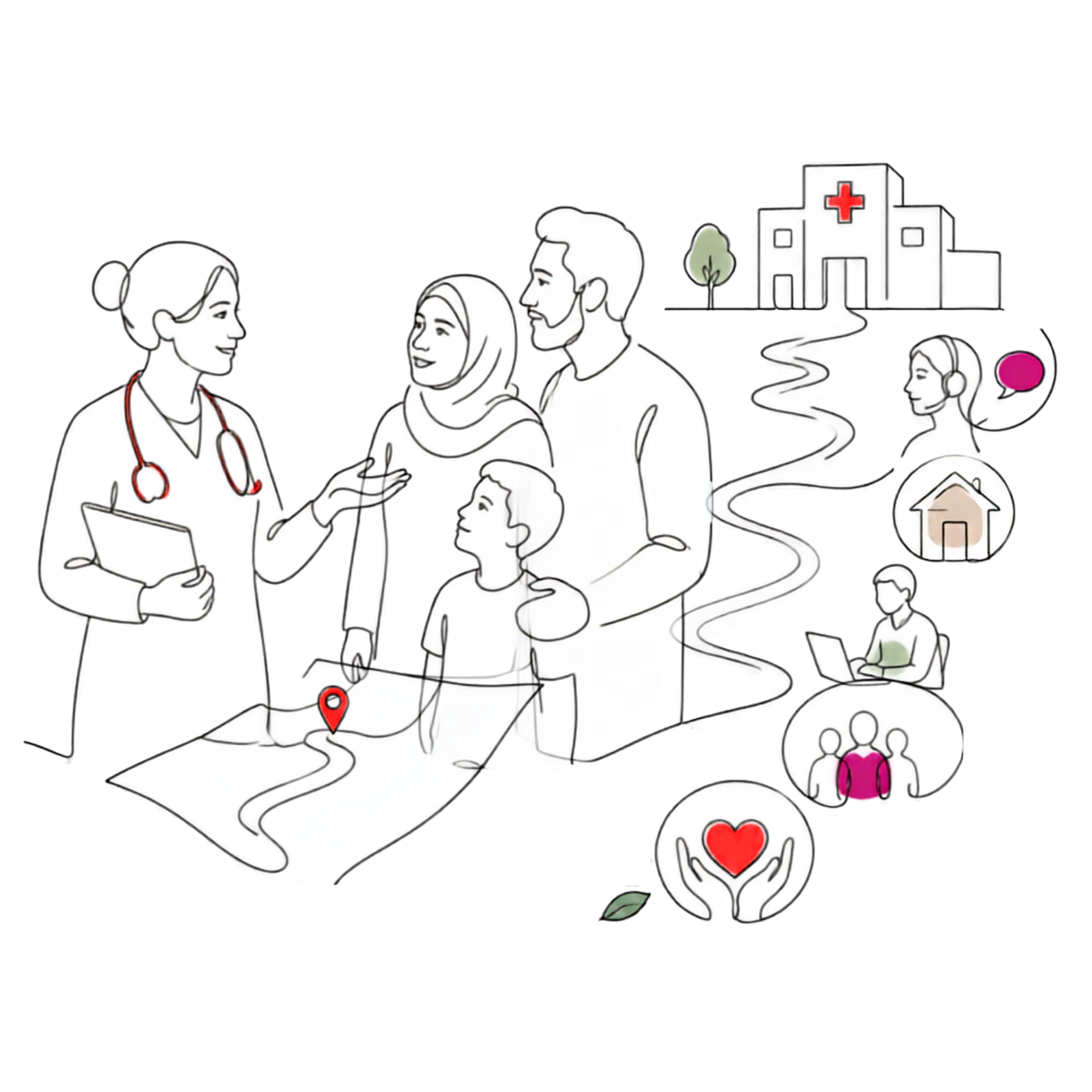
Helping patients understand and access the local healthcare system, coordinate referrals, and connect them with other health and settlement services.
Support for Community Providers
Sharing best practices, providing education and consultation, and helping community clinics build confidence in caring for refugee populations.
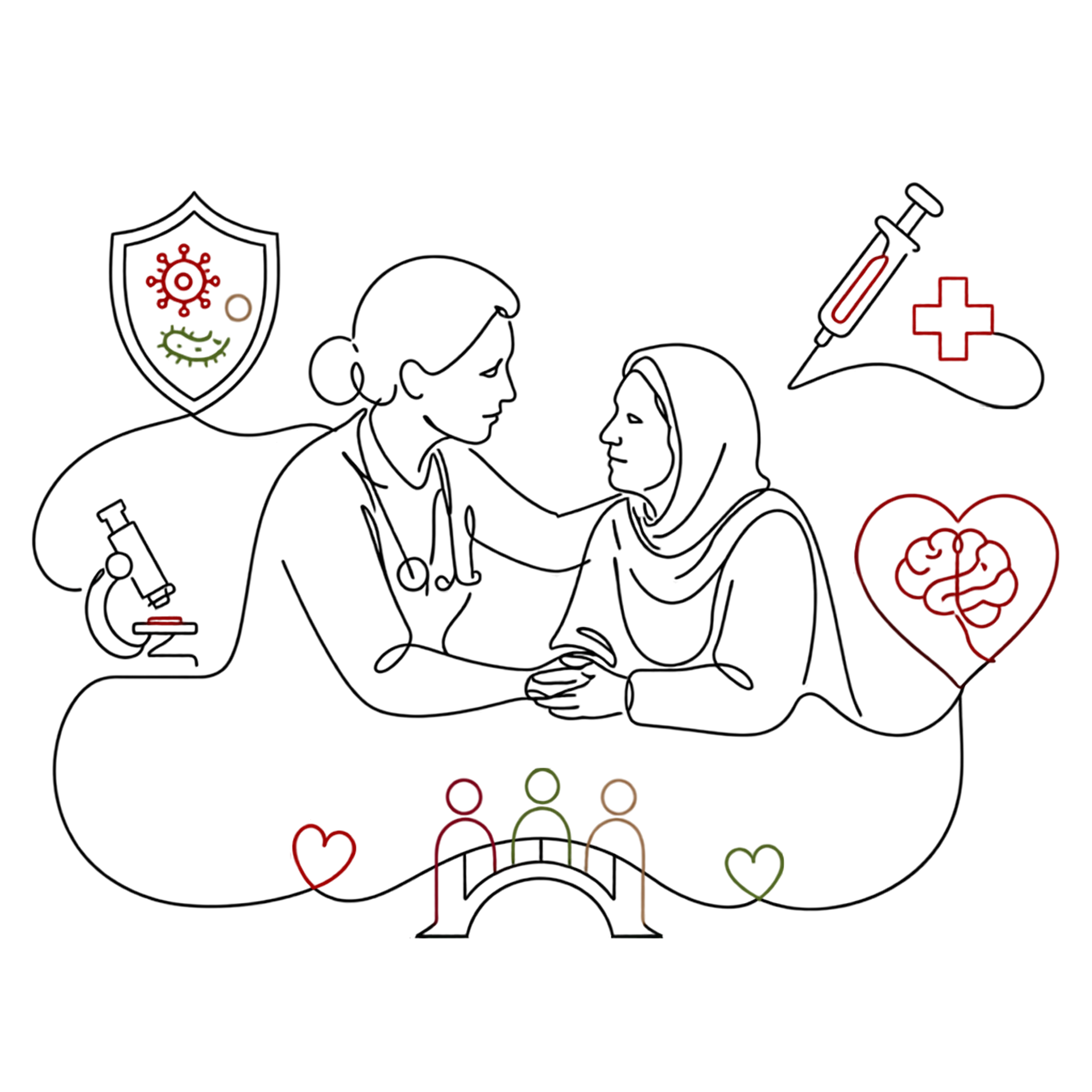
Specialized Expertise
Staff have experience managing common refugee health issues, such as infectious disease screening, immunizations, chronic disease management, mental health concerns, and culturally appropriate care.
Transition to Long-Term Care
Preparing and connecting patients with community-based primary care providers once their immediate health needs have been addressed.
Support for Community Providers
Sharing best practices, providing education and consultation, and helping community clinics build confidence in caring for refugee populations.
System Navigation
Helping patients understand and access the local healthcare system, coordinate referrals, and connect them with other health and settlement services.